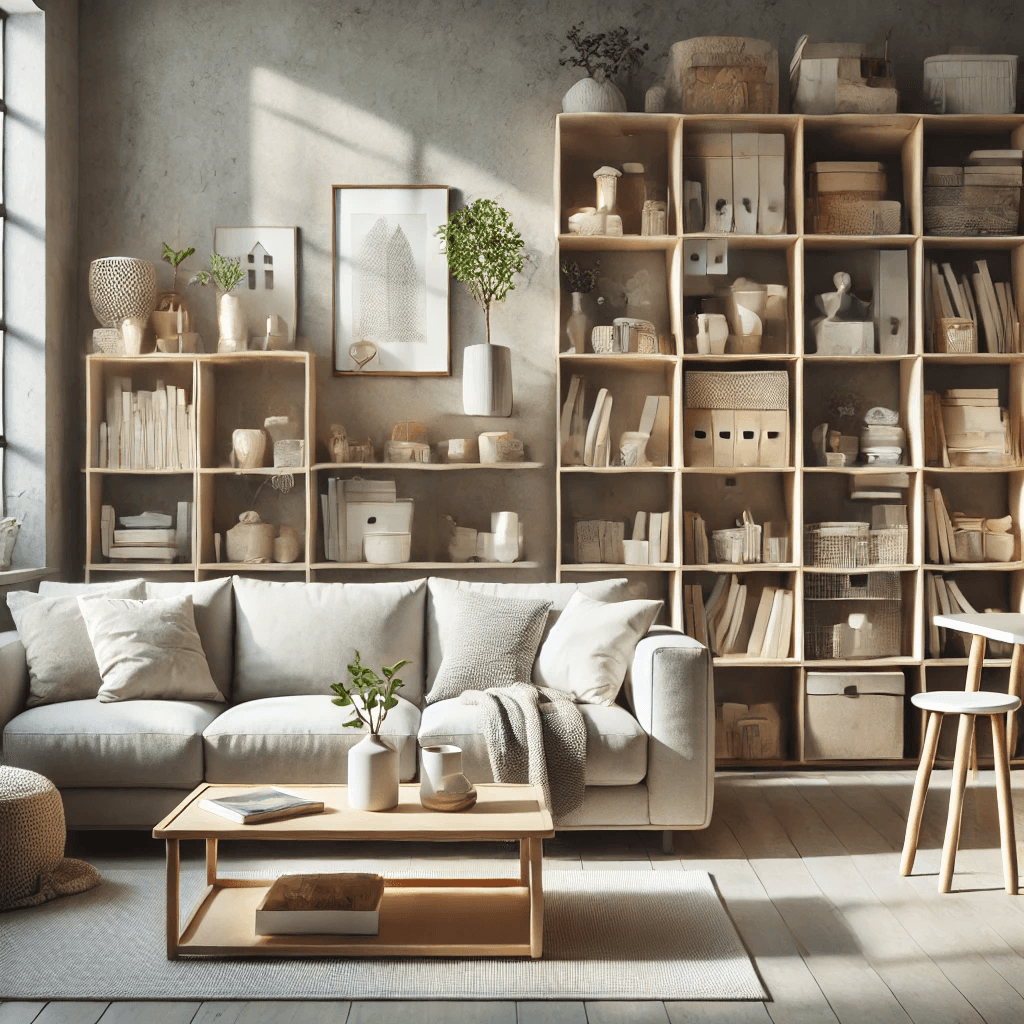
An organized home is more than just visually appealing; it can significantly improve your daily life. A clutter-free and well-arranged space enhances focus, saves time, and reduces stress. Whether you’re dealing with a small apartment or a large house, making your home more functional is achievable with the right strategies. This guide will provide actionable steps to transform your space into a haven of organization, allowing you to enjoy a more functional, peaceful, and enjoyable living environment.
Declutter Your Space
The first step to organizing your home is getting rid of unnecessary items. Decluttering creates a blank canvas, making it easier to implement effective organizational systems.
Identify What You Need
Sorting through your belongings is key to determining what to keep, donate, or discard.
- Tip: Use the “one-year rule” – if you haven’t used an item in the past year, consider letting it go.
- Start with smaller areas, like a drawer or shelf, before tackling larger spaces.
Create a Decluttering Schedule
Decluttering your entire home at once can be overwhelming. Instead, break the process into manageable tasks.
- Tackle one area at a time, such as the kitchen on one day and the bedroom the next.
- Allocate a specific amount of time daily or weekly to focus on organizing.
- Setting a time limit, like 30 minutes per session, can prevent burnout.
Donate or Dispose of Unnecessary Items
Once you’ve sorted your items, decide the best way to get rid of them.
- Donate gently used clothes and household items to local charities.
- Recycle electronics, batteries, and paper responsibly.
- Dispose of broken or unusable items in accordance with local waste regulations.
- If items are still in good condition but no longer needed, consider selling them through online platforms or hosting a garage sale.
Decluttering not only improves the aesthetics of your home, but it also frees up valuable space. By donating or disposing of unnecessary items, you can enjoy the benefits of a more open and functional environment.
Maximize Storage Space

Maximizing your storage is essential for maintaining a clutter-free home. Creative solutions can help you make the most of your available space.
Use Vertical Storage
Using vertical space is an excellent way to save room and keep items accessible. You can install shelves on walls to store books, decorative items, or storage bins. Over-the-door organizers are another fantastic option for storing shoes, cleaning supplies, or toiletries, as they make use of otherwise wasted space.
Optimize Cabinets and Drawers
Well-organized cabinets and drawers prevent clutter from accumulating. Use dividers and bins to separate items, making them easier to locate. You can also label containers for quick identification of contents. Store smaller items, like batteries or utensils, in designated compartments to prevent them from getting lost.
Invest in Multi-Functional Furniture
Multi-functional furniture is especially useful for small spaces. Consider beds with built-in storage drawers or ottomans that double as storage boxes. Foldable or expandable tables that can adapt to your needs are also great space-savers. A couch with hidden storage underneath or a dining table that doubles as a desk are also practical examples of multifunctional furniture.
Multi-functional furniture not only helps you save space but also reduces the need for additional storage units, which can clutter up your home. Incorporating this type of furniture into your home can significantly increase the overall functionality of your space.
Create Functional Zones
Designating specific areas for different activities enhances the flow and usability of your home. This strategy ensures that everything has a place, making it easier to stay organized and efficient throughout the day.
Define Each Area’s Purpose
Creating zones for work, relaxation, and entertainment helps you stay organized. For example, set up a desk and a comfortable chair in a quiet corner for a dedicated workspace. Keep personal and professional items separated for better focus and productivity. Similarly, designate a corner for relaxation, where you can unwind after a long day.
In the kitchen, create zones for cooking, prep, and storage, ensuring that all utensils, cookware, and ingredients are easily accessible. For example, keep pots and pans near the stove, cutting boards near the sink, and pantry items on lower shelves for easy reach.
Arrange Furniture for Accessibility
Furniture placement plays a significant role in functionality. Position furniture to allow easy movement and access to frequently used items. For example, keep cooking utensils near the stove and cleaning supplies under the sink for easy access. In the living room, arrange seating to promote conversation and make sure frequently used items like remote controls are within reach.
In the bedroom, position the bed for easy access to nightstands and ensure there’s enough space to walk around comfortably. Consider the flow of movement in each room, so there’s no need to shuffle things around unnecessarily.
Add Labels and Signs
Labels are a simple yet effective way to maintain order.
- Use labels on pantry jars, storage bins, and toolboxes to ensure that everyone knows where things belong.
- Add color-coded stickers for items belonging to different family members, making it easier to identify items quickly.
- For shared spaces, such as a home office, label files or drawers for easier identification.
Labels help reduce time spent searching for items, especially when everyone in the household knows exactly where to look. This simple addition keeps everything in its place and ensures items are always returned to their designated areas.
Maintain Your Organized Home
Staying organized requires consistent effort. These habits will ensure your home remains functional and clutter-free over time.
Develop Daily Habits
Small daily habits can prevent clutter from piling up.
- Spend 10 minutes each evening putting items back in their designated spots.
- Make your bed every morning to set a positive tone for the day and instantly make your room look tidier.
- Straighten up as you go about your daily tasks—don’t leave dishes in the sink or clothes on the floor.
When you regularly maintain order, it becomes easier to avoid the chaos that piles up when things are left unattended. These habits help create a routine that supports an organized lifestyle.
Review and Adjust Regularly
Your organizational needs may change over time, so regular reviews are essential.
- Assess your storage systems every few months to ensure they still meet your needs.
- Rotate seasonal items, like decorations or clothing, to keep things accessible and relevant.
- Re-evaluate your furniture arrangement when your needs change, such as adding or removing furniture pieces.
Keeping your home organized requires adjusting your systems to meet your evolving lifestyle. Reviewing and adjusting regularly ensures that your space stays functional as your needs shift.
Involve the Whole Family
Keeping your home organized is easier when everyone contributes.
- Assign age-appropriate tasks, such as kids picking up toys or older family members managing laundry.
- Hold a weekly family tidying session to maintain a clutter-free environment and keep everyone engaged in the process.
- Encourage team effort and reward consistency in maintaining order.
Ideas for Encouraging Family Participation:
- Create a reward system for completed tasks.
- Use fun labels or colors for each family member’s storage areas to encourage responsibility.
- Play music or set a timer to make cleaning sessions enjoyable and light-hearted.
When everyone in the household is involved in maintaining organization, it makes the process easier and more enjoyable for all.
Conclusion
A well-organized home can significantly enhance your daily life, making routines smoother and reducing stress. By decluttering, maximizing storage, creating functional zones, and maintaining your systems, you can enjoy a space that works for you. Remember, the journey to a functional home starts with small steps. Pick one area to tackle today, and build momentum toward a more organized future.