
Accessorizing can enhance your look and make an outfit stand out, but it’s easy to go overboard. When done right, accessories can add style, personality, and elegance to any outfit. But when overdone, they can take away from the outfit and make you feel cluttered. If you’re wondering how to accessorize without going too far, here’s a simple guide to help you achieve a balanced look.
Start with a Focus Piece
When accessorizing, it’s important to pick one main accessory to focus on. This will help you avoid adding too many items to your look.
Choose One Statement Piece
A statement piece is an accessory that stands out, like a large necklace or a bold handbag. This item should be the star of your outfit. Pick one that speaks to your style and works well with your clothes.
Avoid Competing Focus Pieces
Don’t choose multiple bold accessories, as they can compete with each other. For example, wearing a large necklace with big earrings can clash and look too busy. Stick to one standout piece, and let that accessory shine.
Balance Statement Pieces with Simplicity
Once you’ve chosen your statement accessory, keep the rest of your look simple. For instance, if you wear a bold necklace, choose a plain shirt or dress. This will help keep the focus on your main accessory.
Prioritize Proportion and Scale
The size of your accessories should match the proportions of your outfit. Think about how large or small your accessories are in relation to the rest of your clothing.
- Consider Your Outfit’s Proportions
If you’re wearing a loose or oversized outfit, it’s best to choose smaller, more delicate accessories. Large accessories can overpower the look. On the other hand, if you’re wearing a fitted or more structured outfit, you can choose larger accessories to add balance.
- Choose Accessories to Enhance, Not Overwhelm
Accessories should enhance your outfit, not take over. Choose pieces that add interest without overwhelming you. For example, a small watch or a delicate bracelet can complement your outfit without making it look too busy.
- Keep It Symmetrical or Asymmetrical
You can choose symmetrical accessories, like matching earrings and necklace, for a balanced look. Alternatively, you can go for an asymmetrical approach, such as pairing one large earring with a simple stud on the other side. Both styles can work well as long as you don’t overdo it.
Stick to a Theme or Color Palette
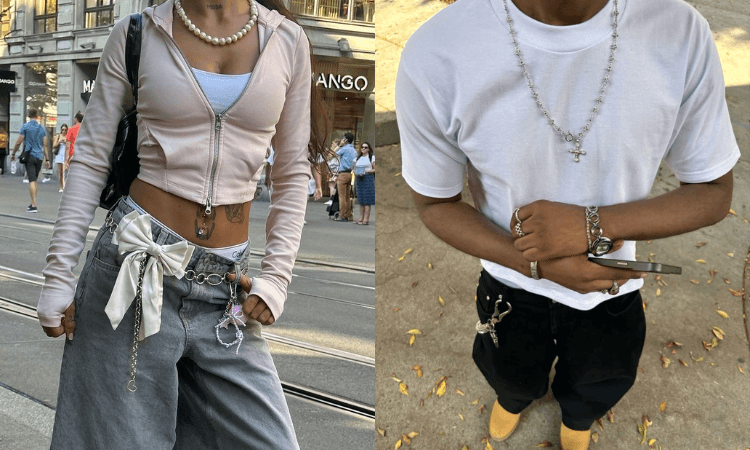
When you stick to a specific theme or color palette, your accessories will complement your look without making it seem chaotic. Keeping things cohesive is key to not overdoing it.
- Keep a Cohesive Look
It’s easier to accessorize when you pick a theme or style, such as minimalist, boho, or classic. This will help you pick accessories that match each other. For example, if you choose a boho look, you might add layered necklaces and natural material earrings.
- Use a Limited Color Palette
It’s best to choose a few colors for your accessories and stick to them. This helps to avoid the look of too many clashing colors. For example, if you choose gold jewelry, wear gold earrings, a gold bracelet, and a gold ring. This gives your outfit a coordinated, polished feel.
- Mix Metals and Materials Subtly
Mixing metals and materials is fine, but be careful not to go overboard. For instance, you can wear a silver necklace with gold earrings, but try to limit the number of materials used. Keeping the mix subtle will make your accessories look more sophisticated.
Layering and Stacking Accessories
Layering and stacking accessories can add depth to your look. However, it’s important to be subtle when layering so you don’t overwhelm your outfit.
Master the Art of Layering
Layering necklaces, bracelets, and rings is a fun way to add personality to your outfit. But try to keep it simple by sticking to two or three layers. For example, you can layer a choker with a longer necklace, but avoid adding too many layers, as it can look messy.
Stack With Caution
Stacking rings, bracelets, or watches is a popular trend. However, stacking too many at once can make your arms and hands look cluttered. Choose a few pieces that work well together and leave some space between them.
Add Subtle Layers for Elegance
If you prefer a more subtle look, layer delicate pieces. A small necklace layered with another thin chain or a couple of rings on one finger can add elegance without overdoing it. The key is to keep it light and simple.
Be Mindful of Occasion and Context
The occasion and setting are important when deciding how to accessorize. Your accessories should fit the environment and the mood of the event.
Match Accessories to the Occasion
Different occasions call for different levels of accessorizing. For formal events, you might choose a more refined, elegant look with fewer accessories. For casual outings, you can wear a few more fun or playful pieces, but still, avoid overdoing it.
Avoid Overloading for Daytime Looks
Daytime accessories should be simple and light. You don’t want to wear heavy jewelry or too many bold items during the day. For example, a simple watch and small earrings are often enough to complete a daytime look.
Elevate Evening Looks with Subtlety
Evening looks can be more glamorous, but subtlety is still important. Consider wearing one standout piece, like a statement necklace or a pair of elegant earrings. Keep everything else simple to allow that one piece to shine.
Conclusion
Accessorizing is all about balance. To accessorize without overdoing it, choose one focus piece, prioritize proportions, and keep a cohesive color palette. You can layer and stack accessories, but be sure to keep them simple and elegant. Finally, consider the occasion when deciding how much to accessorize. When done right, accessories can elevate any outfit and give you a polished, stylish look.
Remember, less is often more when it comes to accessories. By following these tips, you’ll be able to accessorize with confidence and without overwhelming your outfit.