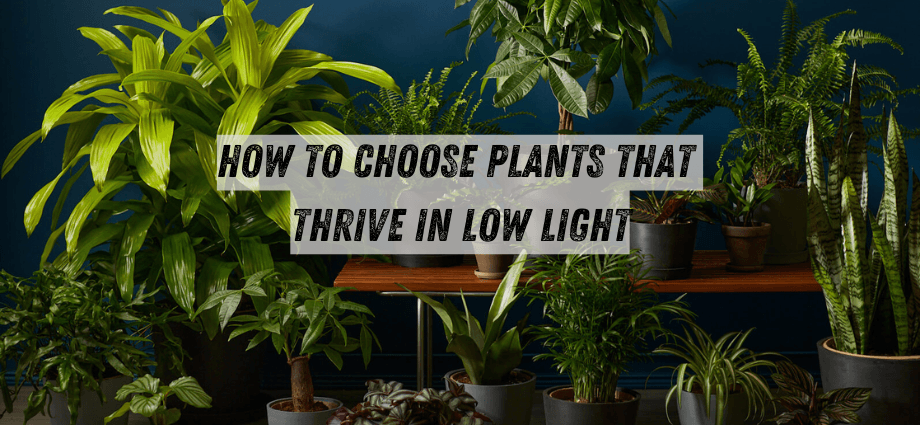
Finding the right plants for low-light spaces can transform even the dimmest corners of your home or office into vibrant and inviting environments. Low-light plants are perfect for people who want to enjoy greenery without needing constant sunlight or excessive care. These plants bring a touch of nature into areas that may feel dull or lifeless, making them ideal for apartments, offices, or north-facing rooms. This article will guide you through selecting and maintaining plants that thrive in low-light conditions, helping you create a lush indoor environment effortlessly.
Why Low-Light Plants Are Ideal for Certain Spaces
Low-light plants are practical and beneficial for spaces with limited sunlight. These plants are adaptable, requiring less maintenance than their sun-loving counterparts.
Benefits of Low-Light Plants
Low-light plants offer unique advantages, including:
- Air Purification: They filter indoor air, removing toxins and improving air quality.
- Low Maintenance: These plants require less frequent watering and care, making them suitable for busy lifestyles or beginners.
- Mood Boosters: They add a calming and refreshing vibe to spaces, helping to reduce stress and boost productivity.
Common Challenges
Despite their advantages, low-light plants can face specific issues:
- False Claims: Some plants marketed as low-light tolerant may actually require more sunlight.
- Overwatering Risks: Plants in low light absorb water more slowly, making them prone to root rot if overwatered.
- Leggy Growth: Insufficient light may cause some plants to grow tall and spindly, with pale or weak foliage.
By understanding these benefits and challenges, you can make informed decisions about incorporating low-light plants into your space.
How to Identify Low-Light Plants

Recognizing the right traits in plants ensures you choose ones that can thrive in dim environments.
Key Characteristics of Low-Light Plants
Low-light plants typically share the following traits:
- Dark Green Leaves: A higher chlorophyll content enables these plants to photosynthesize effectively in low light.
- Slow Growth Rates: They grow slower than other plants, conserving energy in less favorable conditions.
- Resilience to Drought: They can tolerate infrequent watering, making them suitable for neglect-prone settings.
Popular Examples of Low-Light Plants
Some of the best plants for low-light spaces include:
- Snake Plant (Sansevieria): Features upright, striking leaves and purifies the air.
- Pothos: A hardy trailing plant that tolerates neglect and low light.
- ZZ Plant: Nearly indestructible, this plant thrives with minimal care in dim spaces.
- Peace Lily: A beautiful flowering plant that purifies air and grows well in low light.
These characteristics and examples will help you identify plants that are well-suited for low-light areas.
Tips for Choosing the Right Plant for Your Space
Selecting the best plant involves understanding your space’s light levels and your ability to maintain them. To start, evaluate your light levels by checking the orientation of your windows. North-facing or shaded windows usually mean low light. Perform a shadow test by observing the shadow cast by your hand under the light source; a faint shadow indicates low light. Also, note how many hours of indirect or artificial light the area receives daily.
Next, match plants to the specific conditions in your home or office. For example, ferns and peace lilies thrive in humid bathrooms, while snake plants and ZZ plants are great for offices or desks. Pothos can add a calming touch to bedrooms without overwhelming the space. Maintenance needs should also factor into your decision. If you have a busy lifestyle, consider choosing low-maintenance plants like ZZ plants. For those planning a collection, ensure the plants you choose share similar care requirements. A thoughtful approach will help your plants thrive while complementing your lifestyle.
Best Practices for Caring for Low-Light Plants
Even though low-light plants are resilient, they still require proper care to thrive. Watering is one of the most critical factors. Before watering, check the soil by inserting your finger about an inch into it. If it feels dry, the plant needs water. Use pots with drainage holes to prevent waterlogging, which can harm the roots. During winter, reduce watering frequency, as plant growth slows in cooler months.
Fertilize sparingly, usually once a month during spring and summer, using a diluted houseplant fertilizer. Over-fertilizing can harm the plant rather than help it. Prune yellow or dead leaves regularly to encourage healthy growth and maintain the plant’s appearance. Rotating your plants every few weeks ensures even growth and prevents them from leaning toward the light source. Occasionally moving them closer to brighter areas can provide a temporary light boost. By maintaining consistency in care, your low-light plants will flourish.
Frequently Asked Questions
Addressing common questions helps clarify doubts and provides actionable tips for plant care.
Do low-light plants need any sunlight at all?
Yes, all plants need some light to photosynthesize. However, low-light plants can survive with indirect or artificial light.
How do I avoid overwatering low-light plants?
Use well-draining pots, and only water when the top inch of soil is dry. Reduce watering frequency in cooler months.
Can I grow flowers in low-light conditions?
Yes, but options are limited. Peace lilies and some varieties of begonias are great flowering choices for low-light spaces.
What happens if my low-light plant starts turning yellow?
Yellowing leaves may indicate overwatering, underwatering, or poor soil drainage. Evaluate your care routine and adjust accordingly.
Conclusion
Choosing plants that thrive in low light can turn dull spaces into vibrant sanctuaries. By understanding the unique needs of low-light plants, recognizing their characteristics, and caring for them properly, you can enjoy lush greenery without the hassle. Start small with plants like snake plants or pothos, and explore how these resilient options transform your space. With patience and care, even the dimmest corners can come to life with greenery.
Whether you’re looking to enhance your home or workspace, low-light plants are a practical and beautiful solution. By following these tips, you’ll not only grow healthier plants but also cultivate a sense of tranquility and connection to nature in your everyday environment.